Whether you are refitting a corporate office, clearing out a hospitality venue, or replacing living room furniture at home, getting rid of old upholstered seating is no longer as simple as throwing it into a general skip. Under strict UK environmental rules, soft furnishings containing chemical flame retardants are classified as POPs waste—and mixing them with standard rubbish can lead to rejected skip collections, heavy contamination surcharges, and regulatory fines.
Since the Environment Agency began actively enforcing Persistent Organic Pollutants (POPs) legislation across England, Scotland, and Wales, waste transfer stations and landfills are legally barred from accepting upholstered seating in mixed waste streams. Here is what counts as POPs waste, why the rules exist, and how businesses and households can stay compliant.
What Is POPs Waste?
Persistent Organic Pollutants (POPs) are toxic chemical compounds that do not break down easily in the environment. For decades, manufacturers treated foam padding, leather, and synthetic upholstery fabrics with brominated flame retardants (such as DecaBDE) to meet UK fire safety standards.
When upholstered furniture breaks down in landfill or is shredded in standard recycling machinery, those toxic chemicals leach into soil and groundwater or accumulate in the food chain. Because of these environmental and health risks, UK law requires all POPs waste to be kept completely separate from general rubbish and destroyed via high-temperature incineration—never landfilled, shredded for refuse-derived fuel (RDF), or reused for spare parts.
Which Items Count as POPs Waste?
Environment Agency guidance covers almost any domestic or commercial seating that contains foam, padding, or upholstered fabric. If you are clearing a property or commercial site, the following items must be segregated as POPs waste:
-
Domestic seating: Sofas, sofa beds, armchairs, recliners, footstools, pouffes, and beanbags
-
Office and commercial furniture: Swivel desk chairs, boardroom seating, reception sofas, and upholstered canteen booths
-
Dining and hospitality seating: Padded dining chairs, bar stools with cushioned seats, and pub or hotel lounge seating
-
Loose cushions and padding: Seat pads and upholstered cushions removed from wooden or metal frames
What about mattresses and curtains? Mattresses, carpets, curtains, and plain wooden or metal chairs without foam padding are not currently classified as POPs waste—though mattresses still carry separate recycling rules and surcharges at most UK transfer stations.
How POPs Rules Affect Skip Hire and Commercial Clearances
If you hire a standard mixed skip or Roll-on Roll-off (RoRo) container for a renovation or office strip-out, you cannot put upholstered seating inside alongside timber, plasterboard, packaging, or general rubble.
Because waste operators must log and track POPs waste separately under digital waste tracking rules, putting even a single office chair or armchair into a mixed skip contaminates the load. In practice, this creates three immediate headaches on site:
| Compliance Issue | What Happens on Site | How to Avoid It |
| Refused Collection | Skip drivers must inspect loads before lifting; visible sofas or office chairs will result in the skip being left behind. | Keep upholstered furniture stacked separately from your main skip or RoRo container. |
| Contamination Surcharges | If seating is buried under other rubbish and spotted at the transfer station, specialist sorting and incineration fees apply. | Declare upholstered seating when booking so a dedicated collection or segregated container can be arranged. |
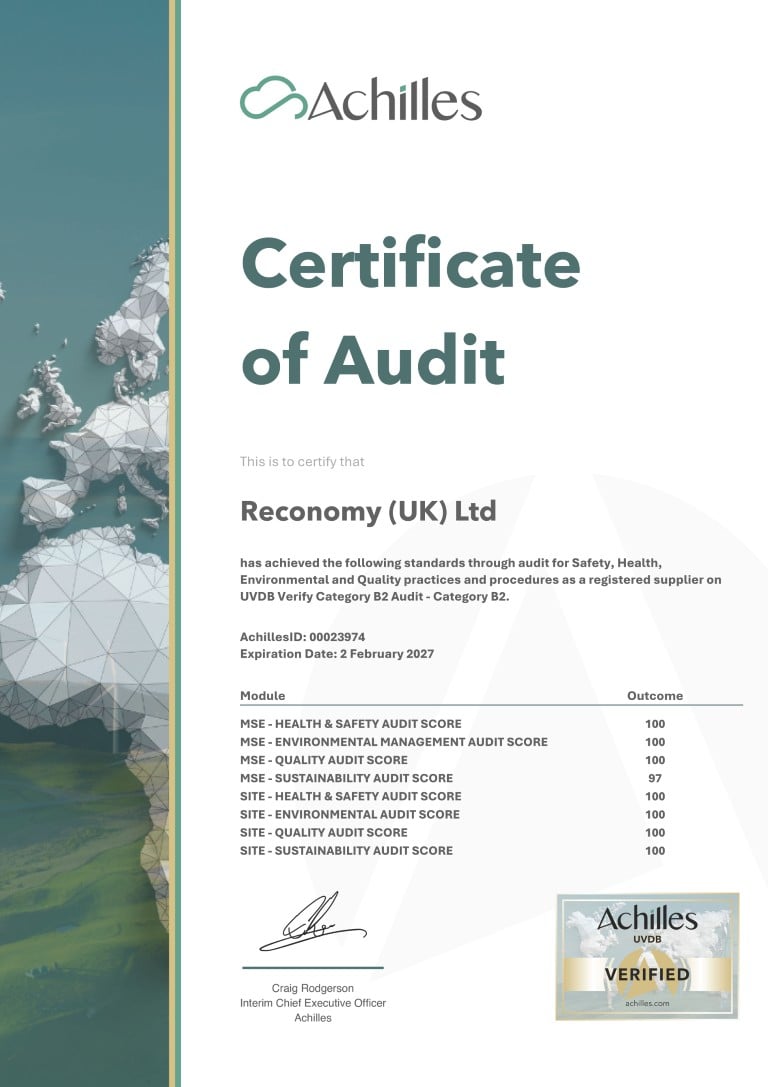
| Audit & Duty of Care Breaches | Businesses must show separate Waste Transfer Notes proving POPs items were sent to an authorised incinerator. | Use a licensed waste management partner that provides full compliance documentation for every stream. |
Legal Ways to Dispose of Sofas and Office Seating
Staying compliant with POPs waste legislation comes down to keeping upholstered items intact—never ripping off fabric or pulling out foam padding on site—and routing them through an approved disposal channel:
-
Dedicated Commercial POPs Collections: For office refits, hotel refurbishments, or multi-site clearances, booking a dedicated caged van or segregated container ensures all seating is transported directly to an Environment Agency-permitted incineration facility with a full audit trail.
-
Pre-Arranged Specialist Skip or Man & Van Clearance: If you only have a few sofas or armchairs alongside a wider property clearance, our team can arrange a compliant collection alongside your main skip hire so nothing gets mixed in the wrong container.
-
Reuse and Charity Donation (If Fire Labels Are Intact): If sofas or office chairs are still in good, reusable condition and retain their original 1988 Fire Safety labels, donating them to a registered furniture charity or reuse scheme keeps them in circulation legally without entering the waste stream.
-
Local Household Waste Recycling Centres (Domestic Only): Homeowners with one or two items can take old sofas to most council tips, provided they place them in the designated POPs container rather than general household waste.
Need Compliant POPs Waste Disposal for Your Site or Project?
Managing segregated waste streams alongside a busy refurbishment, commercial strip-out, or property clearance shouldn’t slow your schedule down. As a SafeContractor-approved nationwide waste management partner, Circle Waste handles everything from single-site skip hire to multi-stream commercial clearances—ensuring upholstered seating, WEEE, and general construction waste are collected legally with full Duty of Care paperwork.
Speak to our commercial and domestic waste team today to arrange compliant POPs furniture removal or tailored skip hire anywhere in the UK.
< Back to blog